

Navigating Global EXIM Protocols and Customs Compliance in 2026
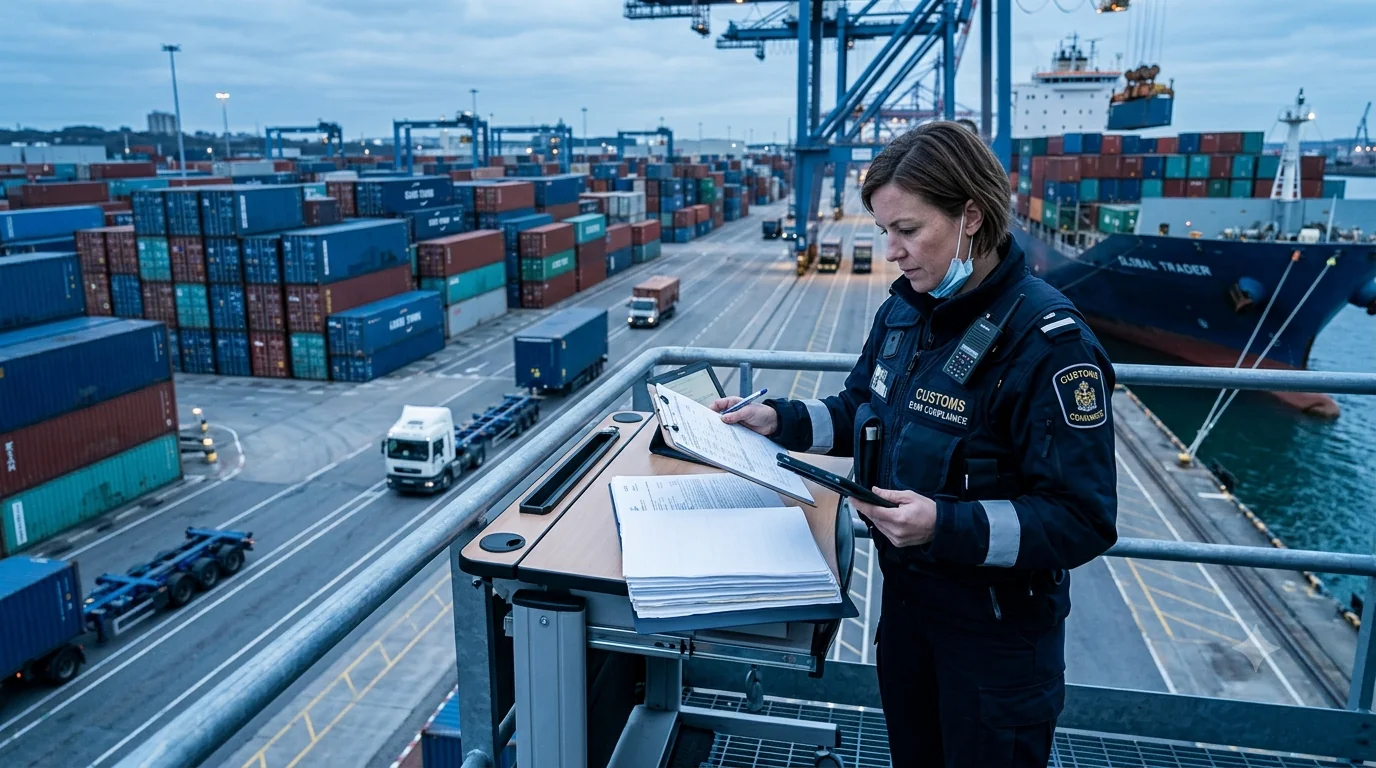
The global maritime and trade ecosystem is undergoing one of its most critical transformations in decades. With major ocean shipping alliances restructuring, automated customs clearance platforms expanding globally, and heightened environmental compliance mandates, international traders must rapidly adapt. For exporters and importers operating in India and global trade hubs, maintaining zero-defect regulatory alignment is no longer merely an administrative requirement—it is a core competitive advantage.
1. The Shift to Real-Time API Customs Workflows
Paper-based manifests and manual customs processing are officially obsolete. In 2026, customs authorities worldwide have deployed real-time, API-driven single-window entry systems.
- Instant Clearance: Integrating ERP and logistics data directly with national customs portals allows automated duty verification, cutting clearance processing from days down to under 4 hours.
- Algorithmic Risk Assessment: Machine learning algorithms continuously flag documentation discrepancies, making precise classification non-negotiable.
“Compliance is not an administrative cost; it is an operational accelerator. Flawless documentation in the digital era means cargo moves without delay, avoiding costly terminal demurrage and storage penalties.”
2. Key Compliance Benchmarks for Ocean & Air Freight
To ensure uninterrupted freight movement across global shipping corridors, logistics managers must enforce three strict compliance checkpoints before vessel loading:
| Benchmark | Mandate Requirement | Risk Mitigation Strategy |
|---|---|---|
| Pre-Shipment Inspection (PSI) | Verified audit reports from accredited third parties (e.g., SGS, Intertek). | Conduct factory-level loading audits prior to container sealing. |
| Verified Gross Mass (VGM) | Exact container weight reporting under SOLAS regulations. | Utilize certified weighbridges; misdeclarations face severe terminal holds. |
| Rules of Origin (RoO) | Stringent trade agreement documentation for preferential tariff claims. | Verify raw material origin paths to satisfy duty concession audits. |
3. Strategic Action Plan for Supply Chain Directors
- Audit Harmonized System (HS) Codes: Review all exported and imported SKU classifications against the latest tariff schedule updates.
- Diversify Carrier Alliances: Maintain active bookings across multiple shipping lines to hedge against seasonal container shortages and blank sailings.
- Digitize Packing Manifests: Adopt standardized JSON/XML data layers for instantly shareable bills of lading and certificates of origin.
Related Services & Sourcing Solutions
Need expert assistance navigating export compliance or bulk freight documentation? Connect with Venu India's Sourcing & Logistics Desks for customized trade support.
Continue Reading
Explore additional global supply chain insights from our directors.
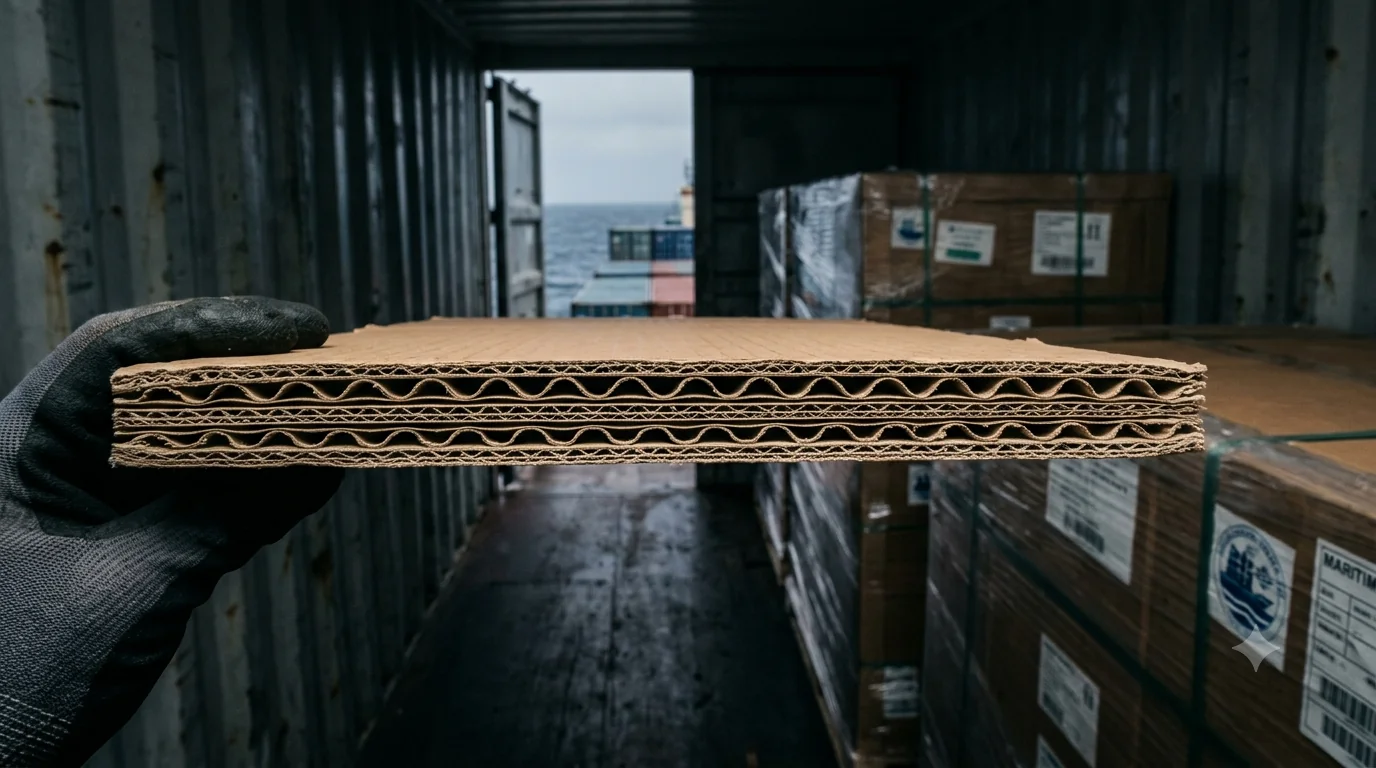
Why High-ECT Corrugated Packaging is Essential for Maritime Freight
Discover why high-ECT corrugated boxes are critical for ocean freight. Protect cargo against container humidity, stacking fatigue, and structural box collapse.

Understanding Hedging and Spot Price Arbitrage in Bulk Polymer Sourcing
Optimize LLDPE and HDPE procurement. Learn how combining forward hedge contracts with spot market arbitrage stabilizes margins in volatile commodity markets.
Connect With Our Experts
Submit your material requirements, custom packaging specifications, or global trade inquiries. Our sourcing desk will respond within 4 business hours.
Corporate HQ
Venu Enterprises administrative and global sourcing center, routing domestic production to international channels.
Submit Material Specifications
Provide your core details to receive an accurate bulk rate and packing manifest analysis.