

Why High-ECT Corrugated Packaging is Essential for Maritime Freight
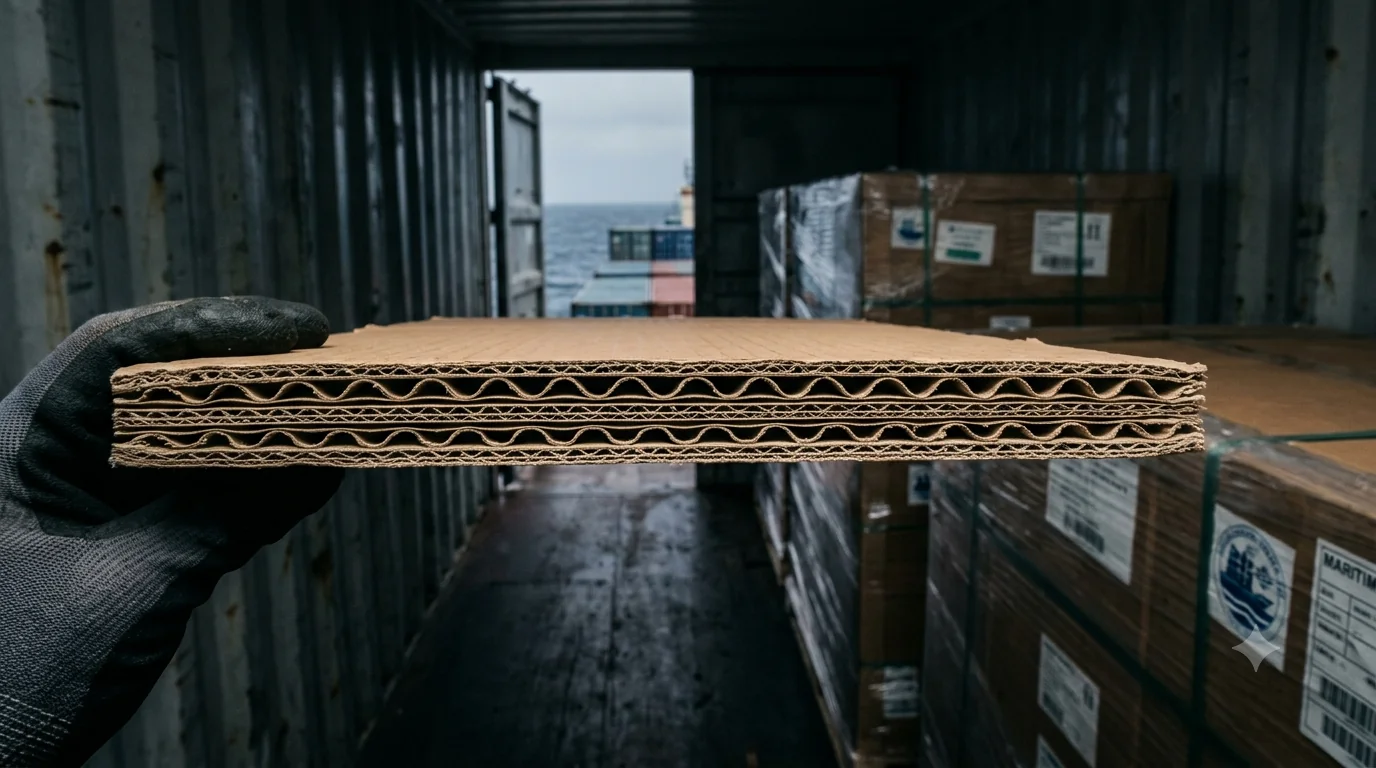
When shipping industrial goods or commercial products across ocean routes, the microclimate inside a sealed maritime shipping container is cargo's greatest threat. Temperature swings exceeding 30°C within 24 hours produce high relative humidity ("container rain"), causing standard cardboard to absorb moisture and lose up to 45% of its structural compression strength.
Understanding how to engineer protective packaging using high Edge Crush Test (ECT) values is vital to preventing stack collapse, product damage, and supply chain losses.
1. Edge Crush Test (ECT) vs. Traditional Mullen Bursting Strength
For decades, standard packaging was specified using Mullen Bursting Test ratings, which measure the pressure required to puncture a box wall. However, modern automated warehousing and containerized shipping stack boxes directly on top of one another.
- Mullen Burst Test: Measures side-wall puncture force (useful for loose handling, but less relevant for stacked pallets).
- Edge Crush Test (ECT): Measures the top-to-bottom compression strength of the corrugated board's vertical edge. This directly predicts how much column weight a box can support in a multi-tier container stack.
“An ocean container traveling from Mumbai to Hamburg experiences extreme humidity cycles. High-ECT corrugated engineering is the only proven method to safeguard cargo against progressive stacking fatigue.”
2. Engineering Heavy-Duty Maritime Corrugated Board
To withstand 30 to 45 days of transit under ocean conditions, protective packaging relies on three key material engineering principles:
- Multi-Flute Double-Wall Architecture: Combining A-flute (thick cushioning) with B-flute or C-flute (high crush resistance) creates superior top-load support and impact resistance.
- Hydrophobic Surface Coatings: Infusing outer kraft liners with bio-based wax alternatives or water-borne polymer barriers prevents ambient humidity absorption.
- Virgin Long-Fiber Kraft Paper: Sourcing long-fiber virgin softwood pulp preserves structural rigidity far better than multi-recycled paper fibers when exposed to damp environments.
3. Measurable ROI: Lowering Insurance Claims and Product Loss
Upgrading from standard 32 ECT single-wall boxes to 48+ ECT double-wall heavy-duty packaging yields direct financial benefits:
- Up to 85% Reduction in Stack Damage: Prevents crushed bottom-tier cartons during 6-high pallet stacking.
- Lower Marine Cargo Insurance Rates: Insurance underwriters grant lower premium quotes for operations using certified high-ECT packaging manifests.
- Enhanced Client Retention: Eliminates costly re-shipments and customer disputes caused by damaged arrival conditions.
Need Custom Protective Packaging Formulations?
Explore Venu India's Packaging Science Division for engineered double-wall boxes, custom ECT ratings, and moisture-barrier protective wraps.
Continue Reading
Explore additional global supply chain insights from our directors.
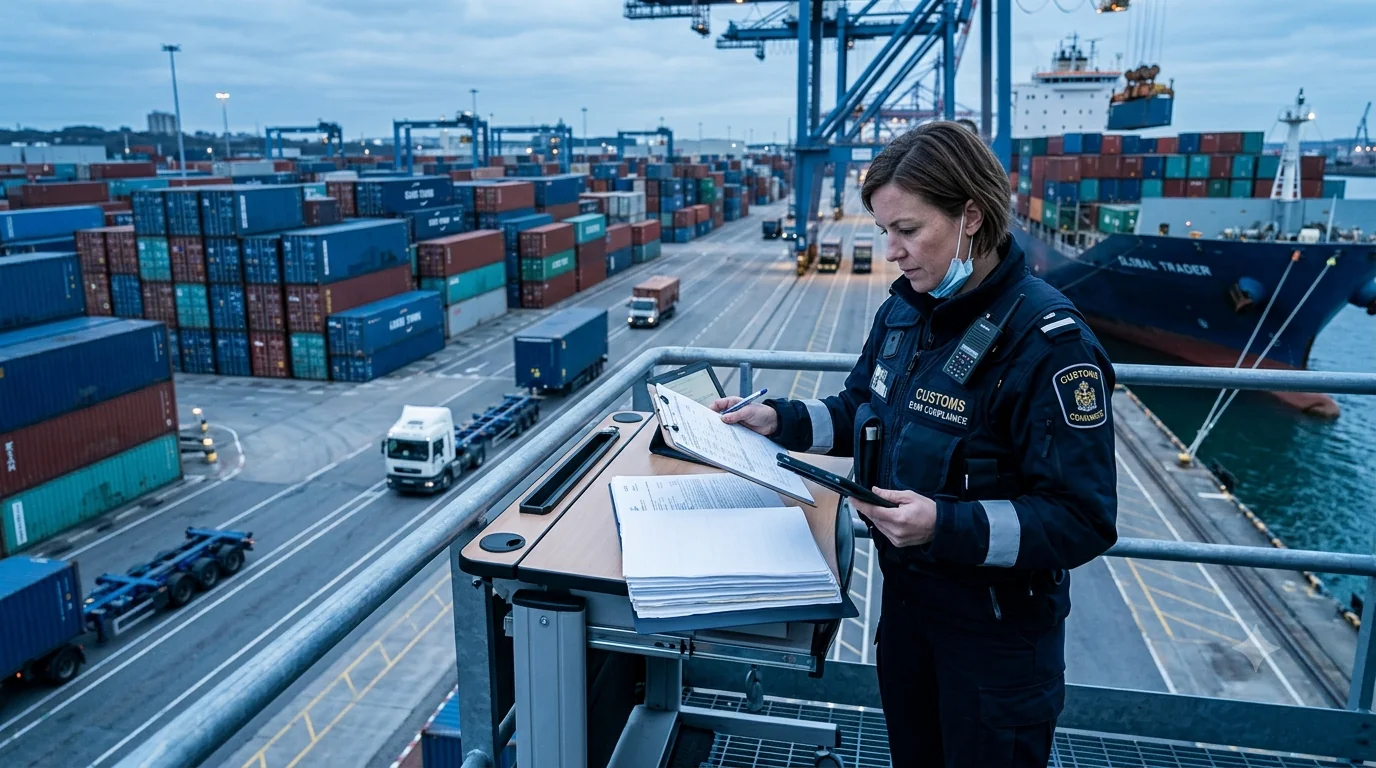
Navigating Global EXIM Protocols and Customs Compliance in 2026
Master global EXIM protocols, automated digital customs clearance, and VGM accuracy in 2026. Reduce port delays and demurrage with Venu India trade insights.
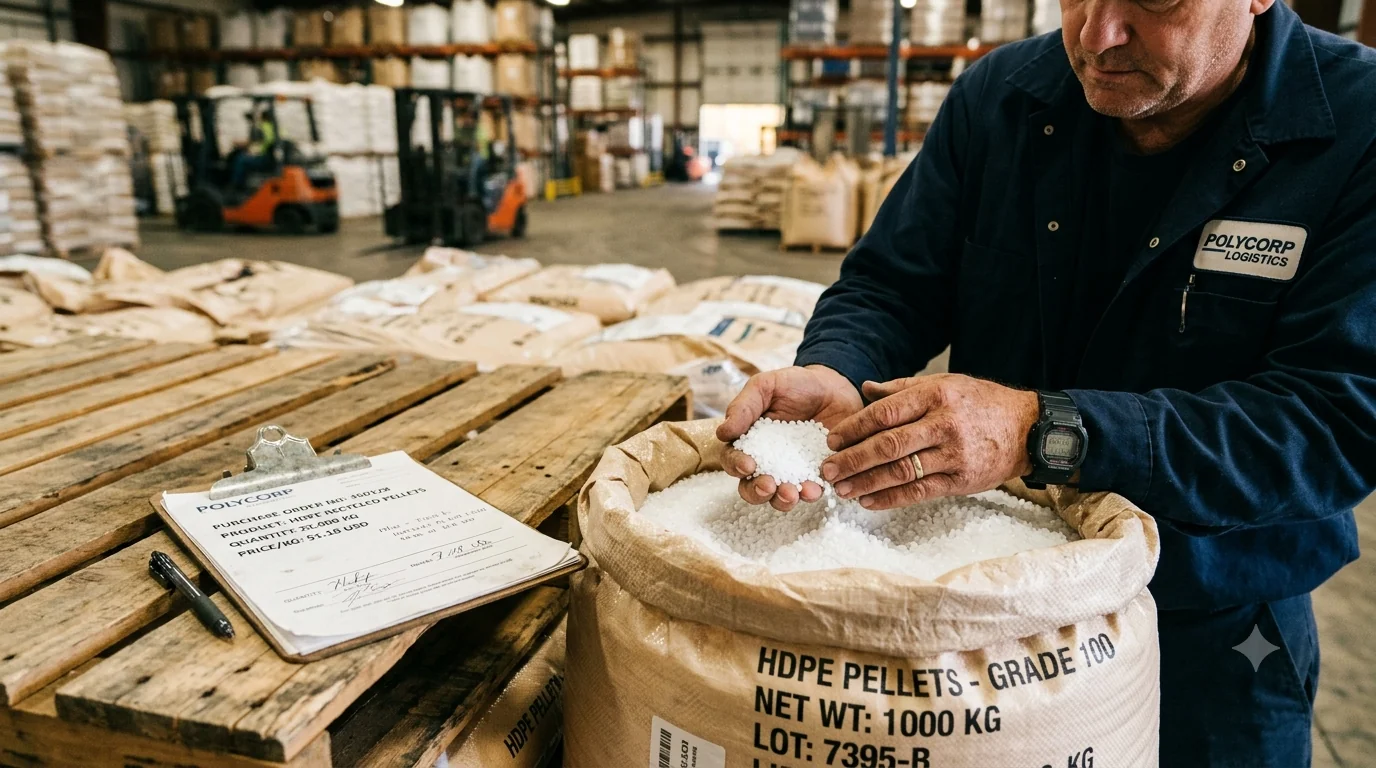
Understanding Hedging and Spot Price Arbitrage in Bulk Polymer Sourcing
Optimize LLDPE and HDPE procurement. Learn how combining forward hedge contracts with spot market arbitrage stabilizes margins in volatile commodity markets.
Connect With Our Experts
Submit your material requirements, custom packaging specifications, or global trade inquiries. Our sourcing desk will respond within 4 business hours.
Corporate HQ
Venu Enterprises administrative and global sourcing center, routing domestic production to international channels.
Submit Material Specifications
Provide your core details to receive an accurate bulk rate and packing manifest analysis.