

Understanding Hedging and Spot Price Arbitrage in Bulk Polymer Sourcing
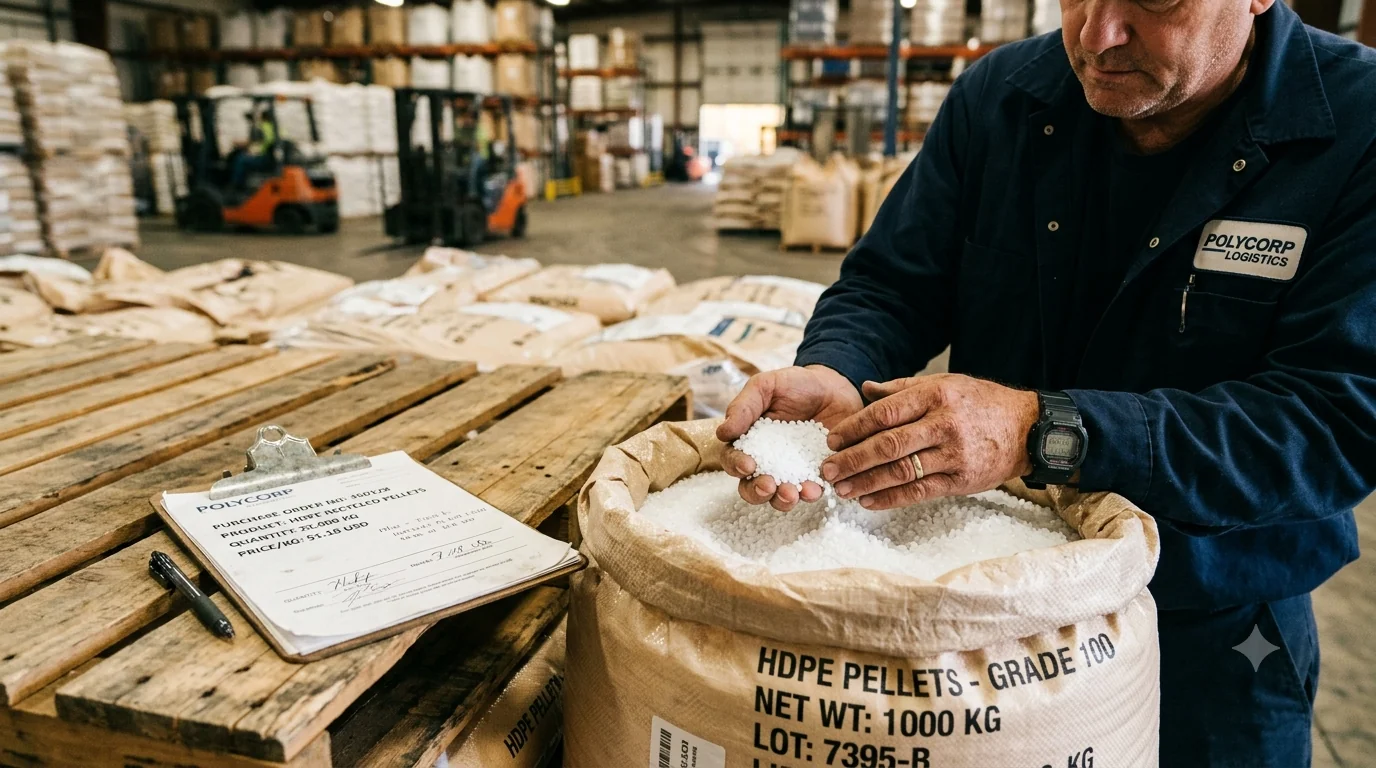
Raw polymers—specifically Linear Low-Density Polyethylene (LLDPE) and High-Density Polyethylene (HDPE)—are the backbone of industrial packaging, consumer goods, and automotive manufacturing. However, these commodities experience intense price volatility driven by crude oil fluctuations, petrochemical cracker outages, and regional import tariff shifts.
For procurement executives, relying exclusively on fixed annual contracts or pure spot buying exposes margins to severe risk.
1. Spot Market Buying vs. Forward Contract Hedging
| Procurement Strategy | Advantages | Primary Risks | Optimal Market Conditions |
|---|---|---|---|
| Spot Market Buying | Captures sudden price drops instantly; no long-term capital lockup. | High exposure to sudden supply shocks and price spikes. | Oversupplied markets with declining crude oil futures. |
| Forward Contract Hedging | Guarantees price and volume for 3 to 12 months; budget certainty. | Misses out on cost savings if global spot prices collapse. | Bullish markets with rising feedstock cost trends. |
2. Implementing the Hybrid Procurement Framework
To optimize total material acquisition costs while securing raw material availability, industrial buyers should adopt a 60/40 Hybrid Purchasing Strategy:
- Secure 60% via Base-Load Forward Contracts: Lock in core monthly volume requirements with premier global resin producers to guarantee line continuity.
- Reserve 40% for Spot Market Arbitrage: Keep purchasing capacity agile to acquire distressed cargoes, regional surplus stock, or discounted spot lots when pricing drops below contract baselines.
- Monitor Polymer Price Indices: Track ICIS, Platts, and regional melt-flow index (MFI) quotes weekly to identify arbitrage windows between regional trading hubs (e.g., Middle East vs. Asia-Pacific).
“Successful polymer procurement relies on a structured hybrid approach. Blindly committing to either pure spot or pure forward models inevitably leads to margin erosion over the fiscal year.”
3. Technical Quality Assurance: Never Sacrifice MFI Integrity
Price optimization is counterproductive if resin quality varies between batches. When acquiring spot lot polymers, strict quality audits must verify:
- Melt Flow Index (MFI) Tolerance: Ensure batch-to-batch flow consistency to prevent extruder jamming or uneven wall thickness in film blowing.
- Density & Tensile Yield: Verify density thresholds (e.g., 0.918–0.925 g/cm³ for LLDPE) to guarantee structural product standards.
- Contamination & Moisture Audits: Test incoming bulk bags for moisture content and foreign particulates before feeding resin into production lines.
Optimize Your Polymer Supply Chain
Looking for reliable bulk LLDPE, HDPE, or PP polymer resin supply? Connect with Venu India's Commodities Trading Desk for competitive spot rates and long-term contract quotes.
Continue Reading
Explore additional global supply chain insights from our directors.

Navigating Global EXIM Protocols and Customs Compliance in 2026
Master global EXIM protocols, automated digital customs clearance, and VGM accuracy in 2026. Reduce port delays and demurrage with Venu India trade insights.
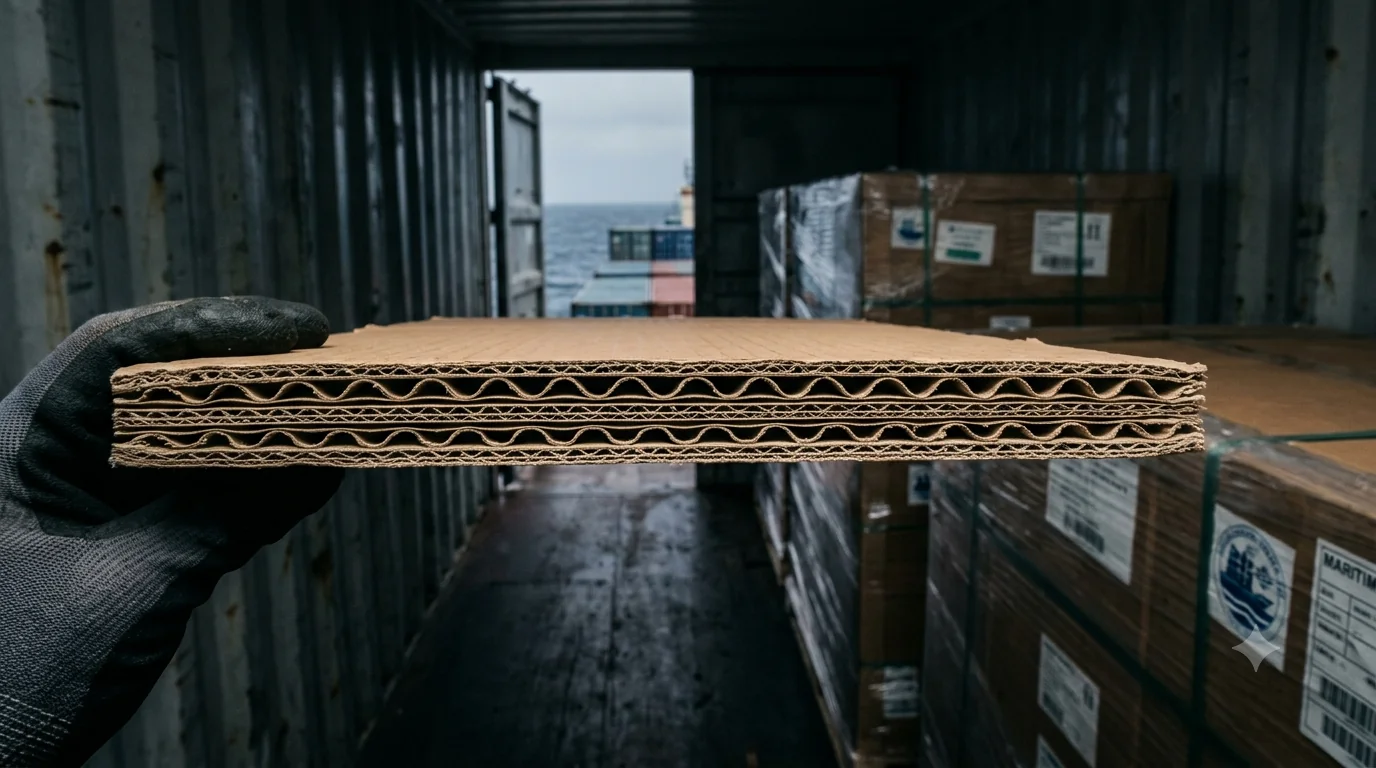
Why High-ECT Corrugated Packaging is Essential for Maritime Freight
Discover why high-ECT corrugated boxes are critical for ocean freight. Protect cargo against container humidity, stacking fatigue, and structural box collapse.
Connect With Our Experts
Submit your material requirements, custom packaging specifications, or global trade inquiries. Our sourcing desk will respond within 4 business hours.
Corporate HQ
Venu Enterprises administrative and global sourcing center, routing domestic production to international channels.
Submit Material Specifications
Provide your core details to receive an accurate bulk rate and packing manifest analysis.